I Didn’t Know I Was a Product of Social Value. Until I Was.
For a long time, I didn’t realise that social value had anything to do with me.
I joined Impact Reporting because I believed in what the team was building. I cared about doing meaningful work, not just good marketing and sales. But it was only later, looking back at my own life, that I understood something quietly profound: social value didn’t just shape my career. It shaped me.
My story starts before I was even born.
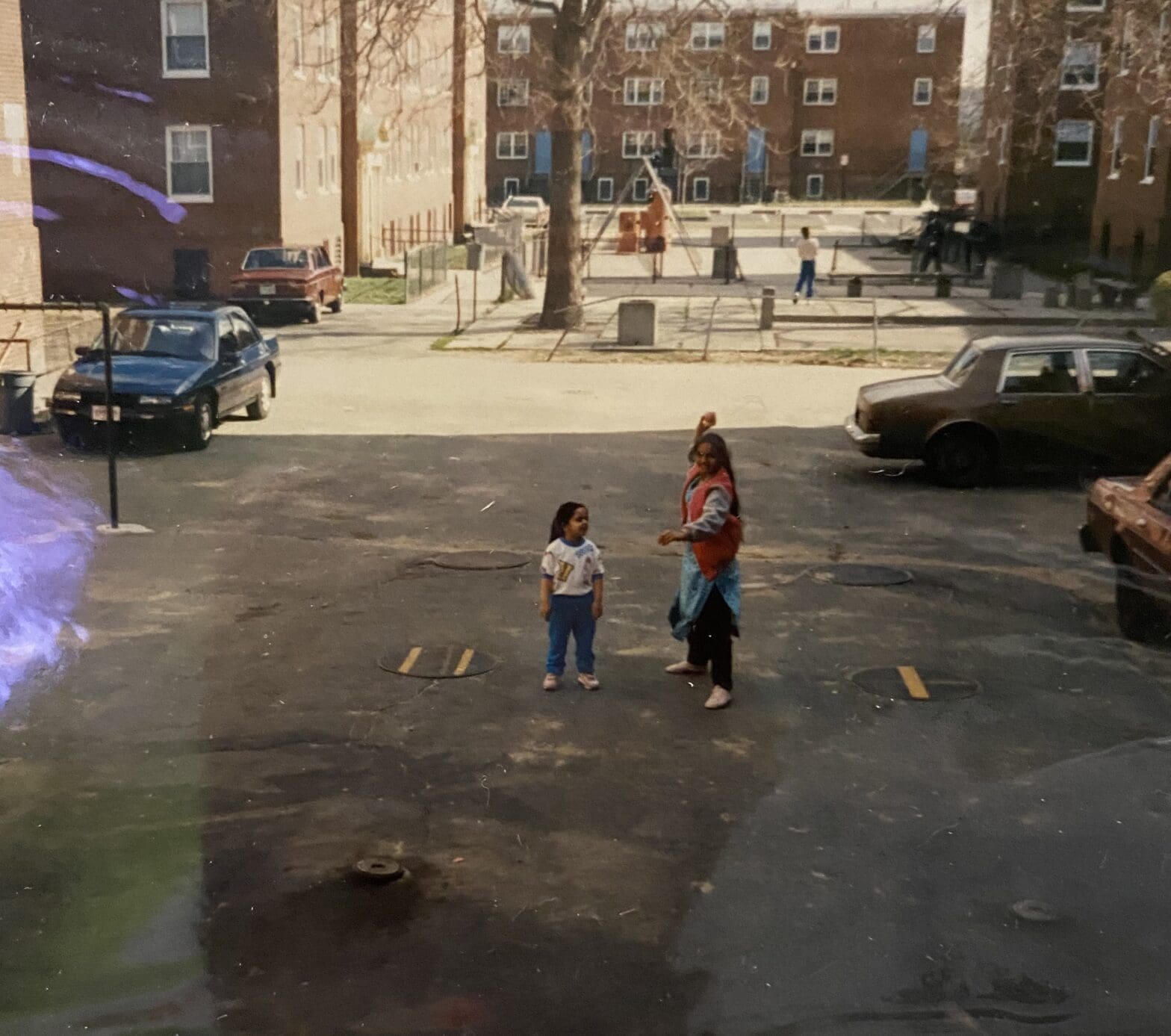
My parents moved to the United States from India in their late twenties, part of a first-generation wave that included seven of my mom’s siblings. They arrived with very little, landed in Cambridge, Massachusetts in the early ’80’s, and lived together in affordable housing at Rindge Towers (still standing today!). Three to four families to an apartment. Young adults trying to find work, learn English, and understand a completely new world they”d only seen on television screens. There were lots of bell-bottoms, handlebar mustaches, dark sunglasses and gold chains we still tease our uncles about.
It was hard. The area was rough. But it was also where they began again.
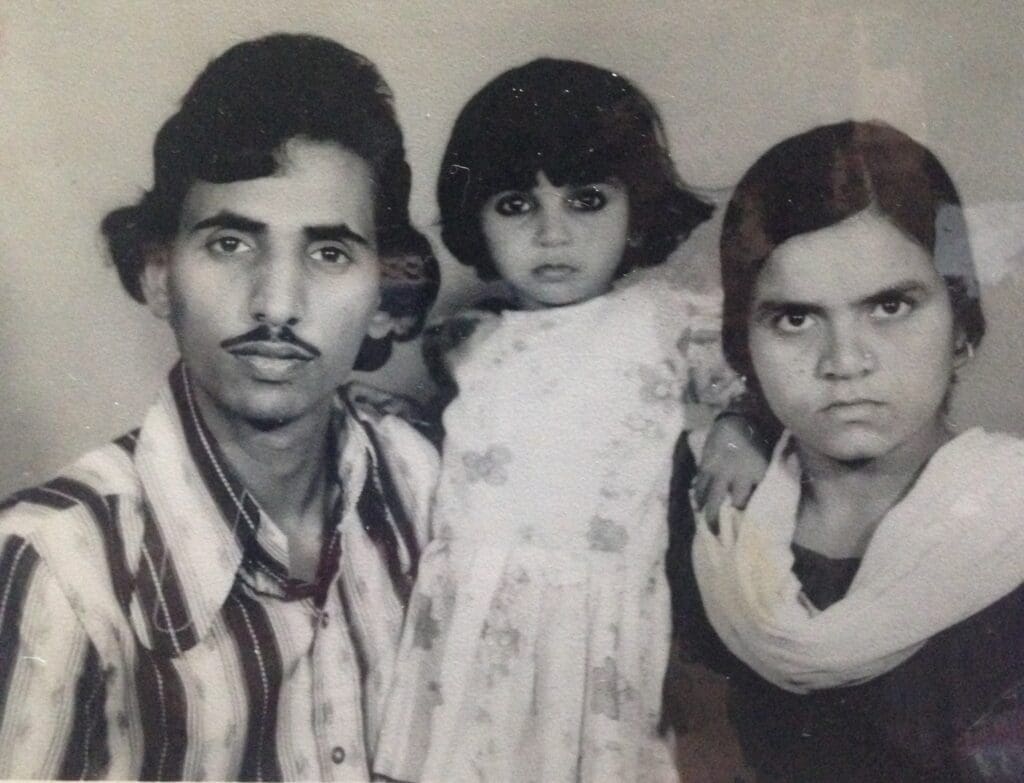
When my parents moved, they made the painful decision to leave my sister behind in India. The plan was to get settled first, to build some stability, and then bring everyone over. Habiba, who is seven years older than me, stayed behind for quite some time. That separation shaped her deeply, and even now she holds a strong connection to our family in India.
Then I arrived. Unexpected. A surprise pregnancy after years of infertility, just a few months after my sister settled into America.
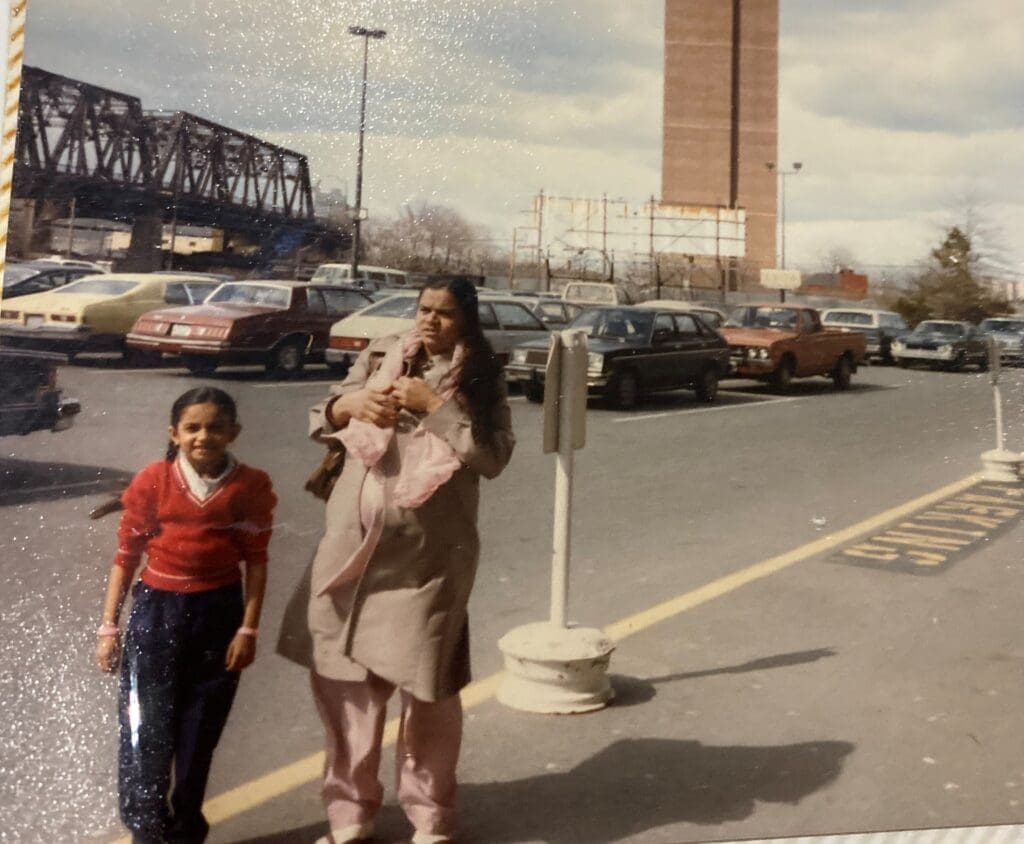
Both my mom and dad were homesick, missing their village in India and grappling to understand English and acclimate to a new and different world. But I get my work ethic and resilience from them, and they knew a better life would exist for their children in America.
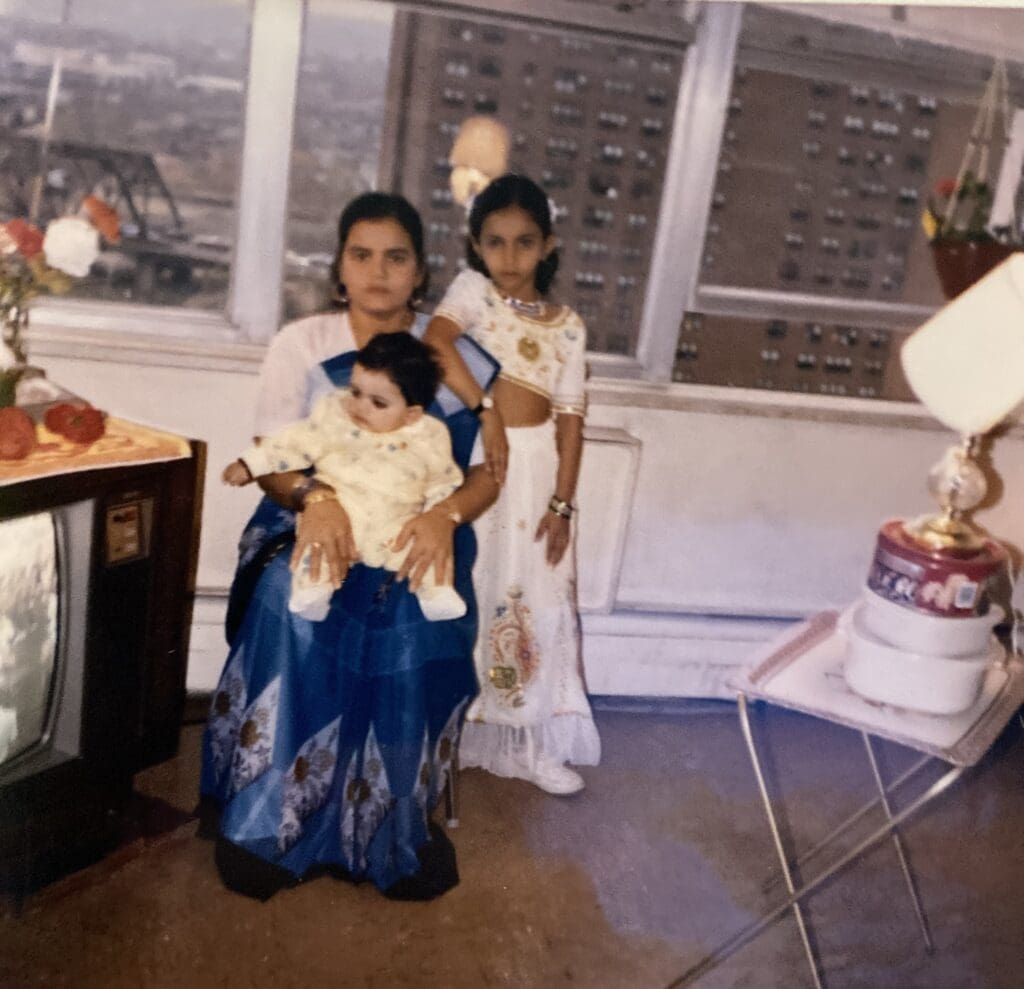
My mom still tells the story of walking into a job interview, newly pregnant, and saying plainly: “Please hire me. I need health insurance.” She was hired for $3.20 an hour (roughly equivalent to $9.98 or £7.43 per hour today). That job meant I could be born safely. It meant we could finally access healthcare. They didn’t even have their first proper check-up for me until my mom was four months pregnant.
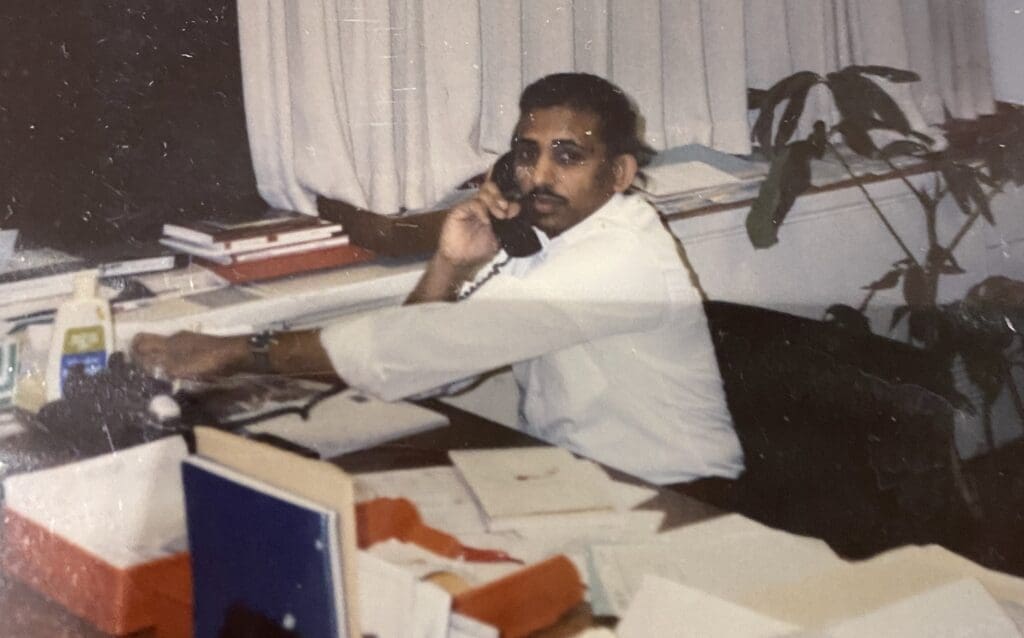
My parents’ jobs unlocked more than a payslip. It allowed my parents to get their own apartment, support themselves, buy a car, save for a deposit, and help our extended family in India. I attended free childcare/kindergarten and had free lunches. We lived inner-city, and we relied on government support, but we also had family, friends, school and activities to keep us busy. And we were doing okay.
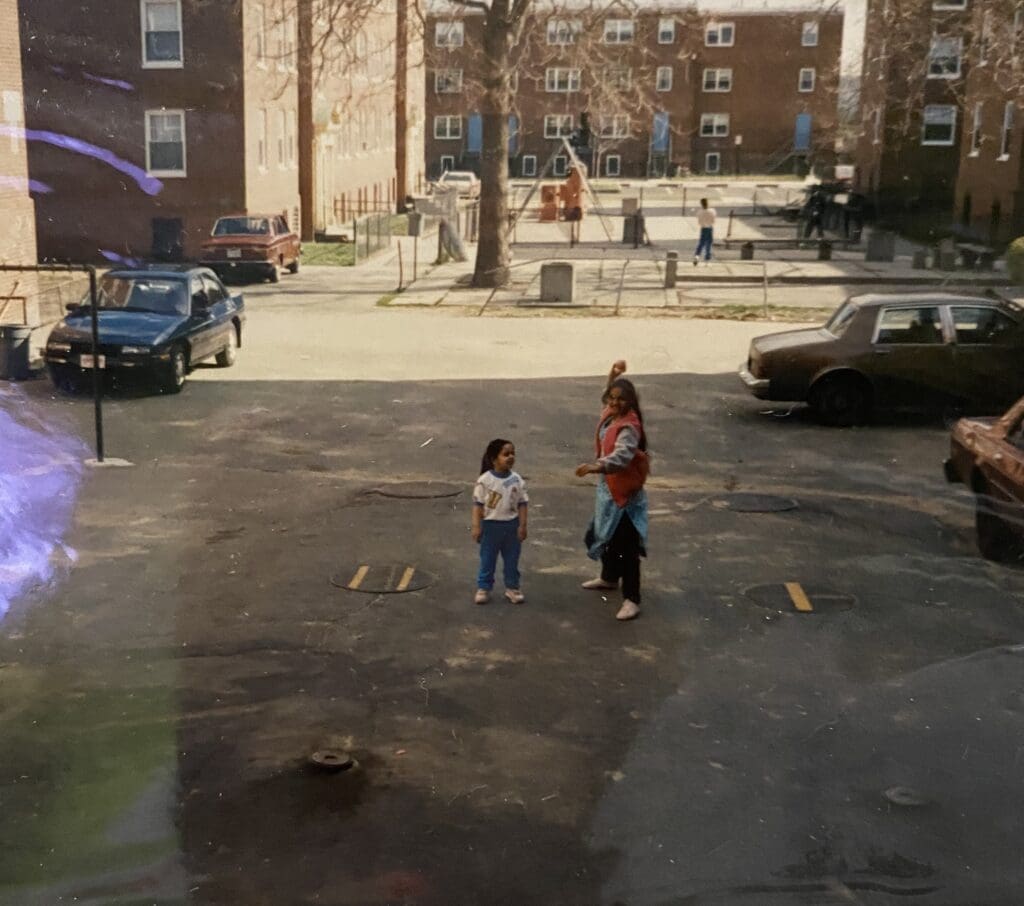
For a while, that was our normal.
Years later, my eldest aunt told me something I didn’t know growing up. She said matter of factly, “A bullet went through your window. There was a lot of gang and drug violence where we lived. Your apartment was on the ground floor, facing the street and your papa was so scared something would happen to his girls.”
In fact, Cambridge was the ninth most violent city in Massachusetts in 1995, according to the Federal Bureau of Investigation’s Uniform Crime Reporting (UCR) Program. (Source)
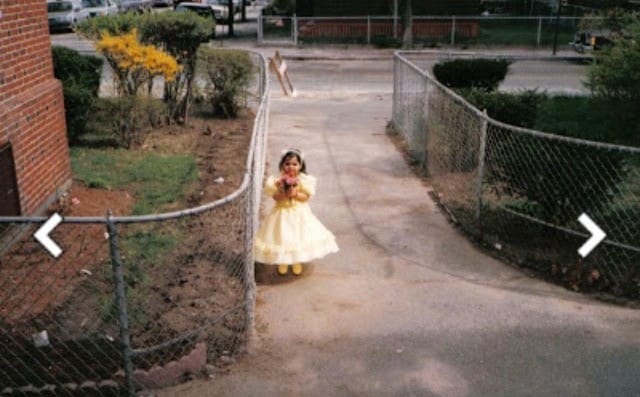
We moved 20 minutes away to Woburn, Massachusetts, a blue-collar surburban town. Our house was teeny-tiny, just two bedrooms and maybe 500 square feet, with a driveway and big backyard. My parents assured us this was our starter home, we’d get a bigger one once we had more money. (Little did we know at that time that this would be our forever home, where we lived for another 30 years!)
But it was safe. The neighbourhood was good. Sure, I was the weird (and only) brown girl in my elementary school that “smelled funny” but I was accepted and loved and not out of place amongst my cousins who had also all moved to the same area by this time. My parents had new jobs that paid better. And slowly, things began to shift.
We still received free school lunches but otherwise didn’t get any government support. I was more challenged in school and thrived. I built friendships in middle school that have lasted my entire life. I was a latchkey kid but had my sister and cousins to fill the gaps. My friends’ parents and my aunts and uncles stepped in where mine couldn’t. They drove me to afterschool clubs. They paid for activities. They took me to shows and movies and sleepovers. They made sure I was where I needed to be while my mom and dad worked two jobs each.
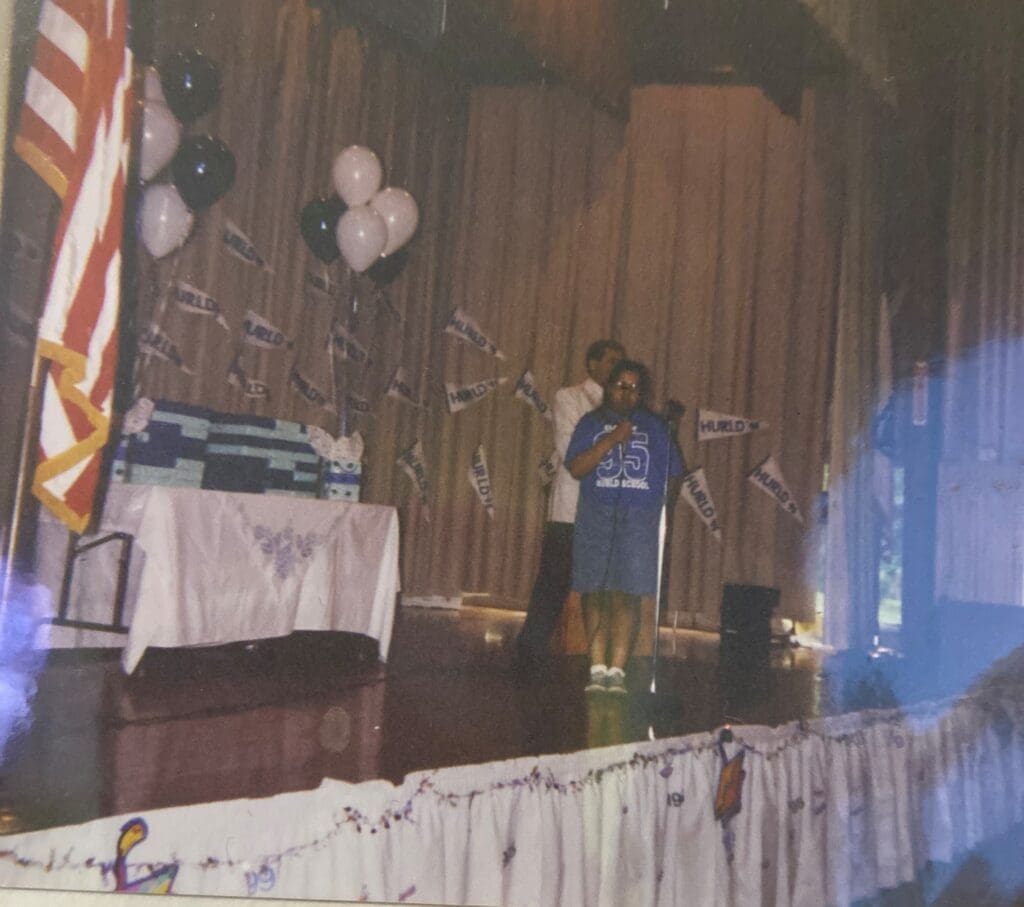
My mom jokes now that she never attended a single parents’ evening. Not one. She didn’t even know they existed because I didn’t think she’d want to take time off of work to attend, so I never mentioned them. Back then, that felt normal.
When I was thirteen, my father suffered a heart attack, then cancer, and then pneuomonia. While in an induced coma, he passed away from a stroke. Everything became harder, darker, scarier, sadder overnight.
We struggled financially. Emotionally. Practically. My mom made a decision then that still amazes me. She chose not to go back into charity or ask for additional help. Instead, she worked two jobs, relentlessly, to keep us afloat. That choice came at a cost, but it also shaped how I understood resilience, dignity and pride.
Education became the one constant. I was always told there was only one option to improve our lives: higher education. Luckily, I loved school. I loved reading and writing. I worked at libraries and was (and still am) a huge bookworm. I wanted to go into marketing and communications, to tell stories, to make meaning. I worked hard, ranked highly in my class and earned multiple scholarships.
Boston University was the dream. A top communications school in the heart of the city. Completely out of reach on paper – annual tuition was $50k (£37,220) when I attended in 2002- now it’s close to $94k (£69,974). And yet, because of my circumstances, because of donors and financial support, I was able to go. A huge portion of my education was funded. Without that, my path would have been very different.
At the end of my degree, something small but life-changing happened, making me believe in fate and the butterfly effect. I went on Boston University’s study abroad and internship programme in London my last semester.
That single opportunity changed everything.
I became closer to my family in the UK. I expanded my worldview. I saw a life beyond the one I had imagined. Years later, through those family connections, I met my husband. Had I not studied abroad, I don’t think I would had the courage to move countries. I don’t think I would have built the life I have now.
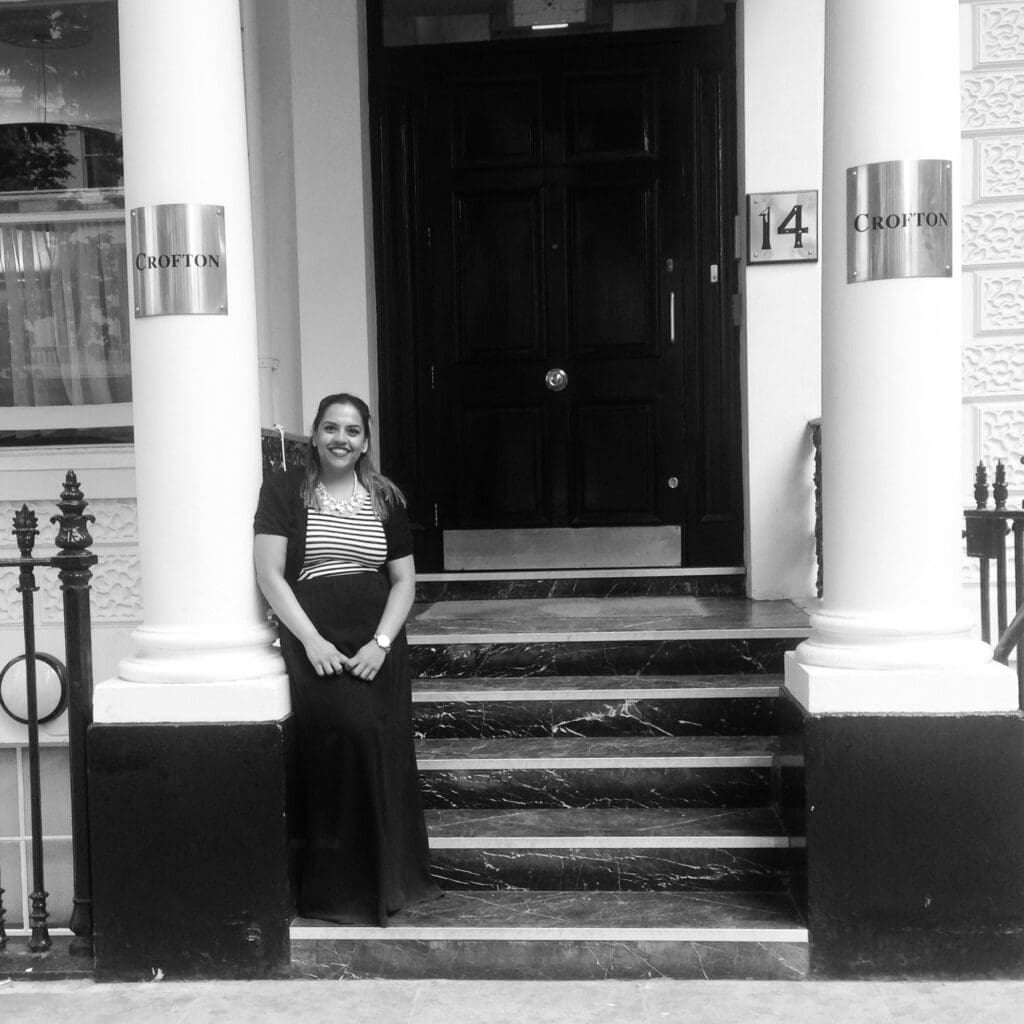
Even today, living in the UK, I see the difference social infrastructure makes. I don’t take maternity leave for granted. A year off. Government support. The ability to return to work and still be a present parent. That support has allowed me not just to cope, but to succeed. To be ambitious and grounded. A professional and a mother.
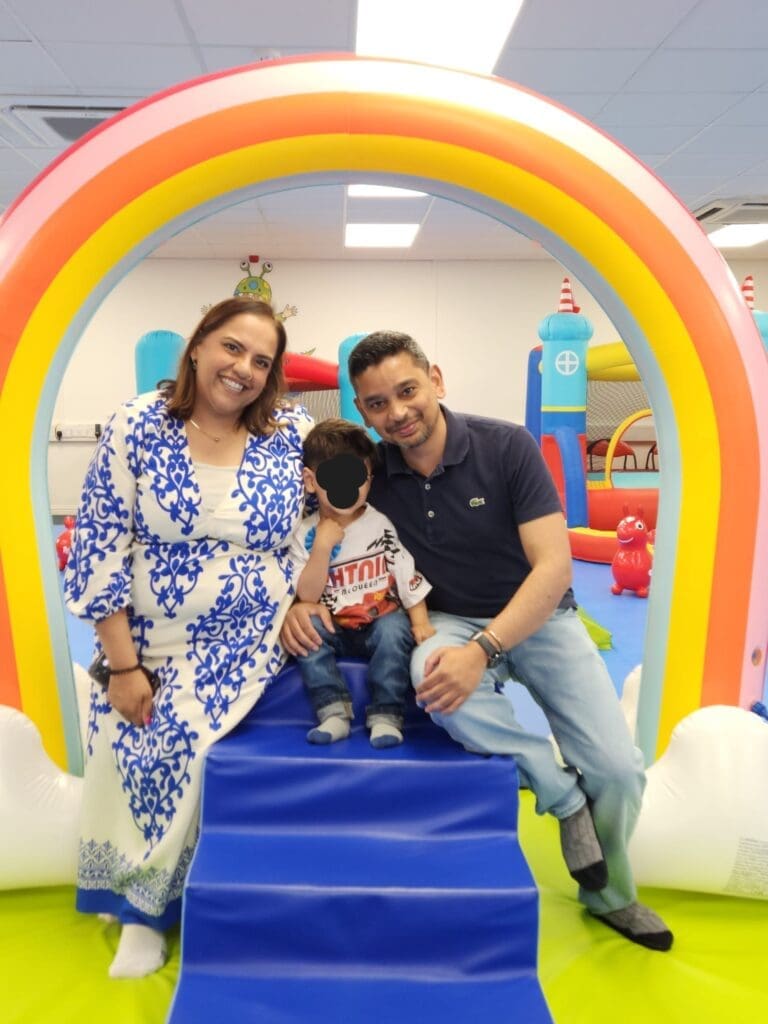
When I joined Impact Reporting, something clicked.
I realised that if I was going to pour my energy into my career, I wanted it to be for something I genuinely believed in. Impact stood out immediately. Not because it was perfect, but because it was principled. From day one, the co-founders Matt Haworth and Ed Cox have put people before profit. That hasn’t always been the easiest route. It has challenged us. It has slowed us down at times. But it has made us a better business, and a more honest one.
Only after joining did I fully see it.
I am a success story because of social value. Because of social housing. Because of public services. Because of education funding. Because of community care. Because people invested in systems that believed someone like me was worth supporting.
That’s my why.
I go to work every day knowing that the numbers we help organisations track and report represent real lives being changed. Lives like mine. Lives like my mom’s. Quietly changed. Slowly shaped. And capable of far more than anyone might have predicted at the start.
I didn’t know I was a product of social value.
Now I know I’m living proof of it.

About the author